
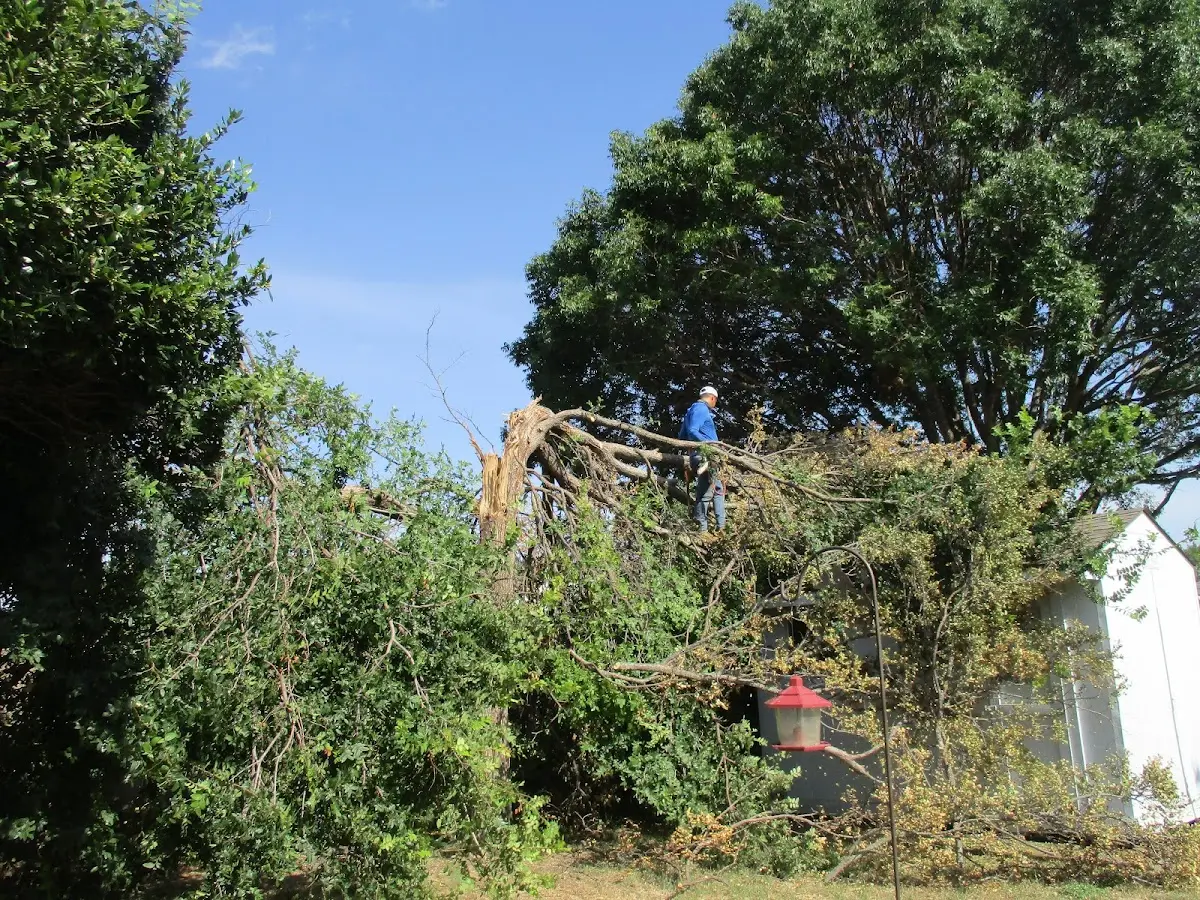
Professional deadwooding for homes and businesses in Pittsburg and surrounding Kansas communities.
Deadwooding services in Pittsburg performed by ISA-trained arborists. B. Haney and Sons Arborists crews remove dead, dying, and broken branches throughout the canopy without disturbing the live structure. Result is a safer, healthier-looking tree with fewer storm-loss surprises and reduced disease pressure.
Pittsburg homeowners and businesses count on careful, professional deadwooding to protect their properties and their tree investments. Serving a city of 20,503 across Kansas, B. Haney and Sons Arborists brings the experience, equipment, and crew capacity to handle deadwooding projects of any scale. We begin every job with an honest evaluation, walk the property with you, and provide a clear written estimate before any cuts are made.
Our deadwooding crews in Pittsburg, KS are ISA-trained, fully insured, and equipped with bucket trucks, climbing gear, chippers, and stump grinders sized for the job. From the initial assessment through final cleanup, we maintain open communication and hold ourselves to ANSI A300 and Z133 industry standards. That is how B. Haney and Sons Arborists has earned the trust of property owners across Kansas.
A clear, professional approach to deadwooding — tailored to your Pittsburg property.
Our Pittsburg arborist arrives at your property to evaluate the situation — tree species, condition, target zones, and access. We answer your questions and explain exactly what the job involves.
We provide a clear written estimate covering scope, equipment, timeline, and cleanup — no hidden fees. Once approved, we schedule the work at your convenience.
B. Haney and Sons Arborists executes every deadwooding project at your Pittsburg, KS property with full safety protocols, proper equipment, and careful tree-care technique. Quality work, every time.
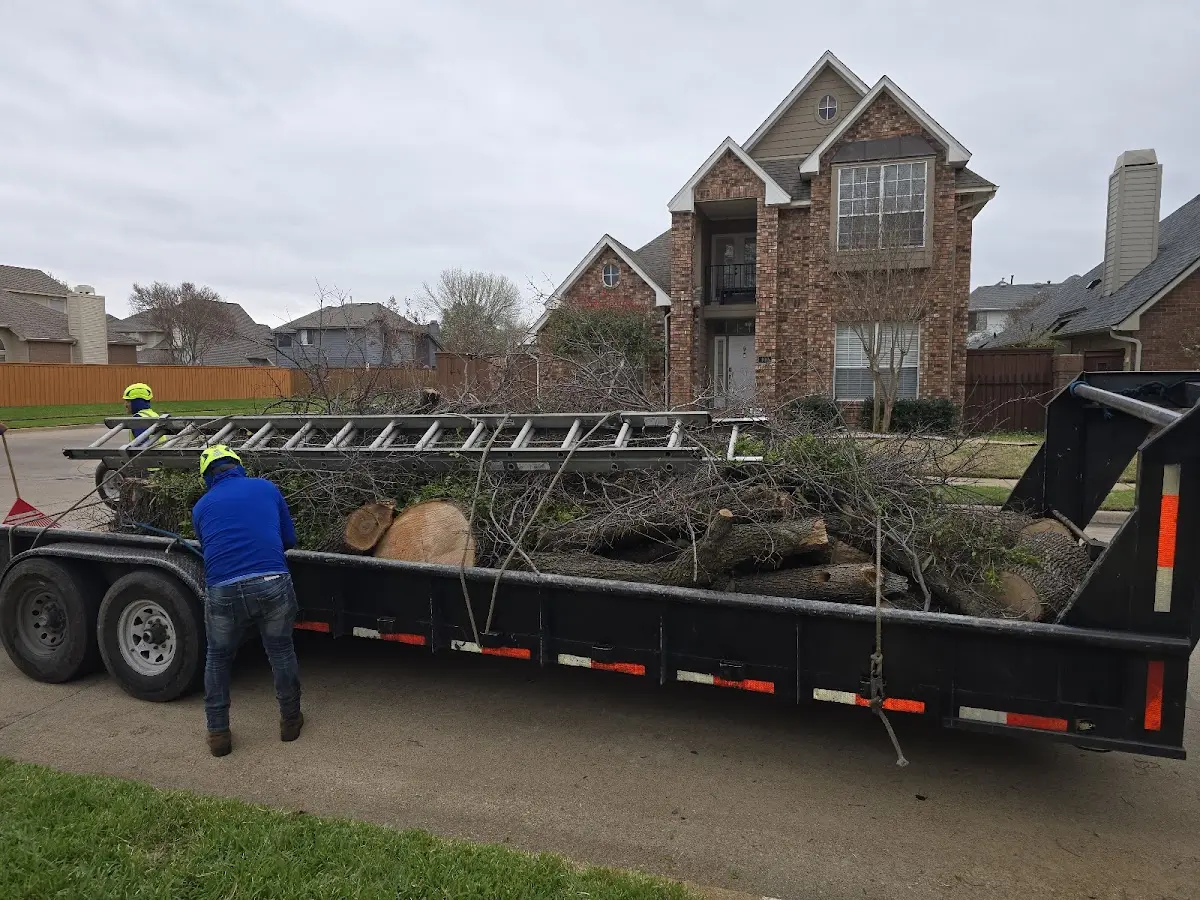
Our Pittsburg crew cleans up everything before leaving — branches hauled off, chips raked smooth, stumps ground if part of the scope. We do a final walkthrough so you can confirm satisfaction.
Answers to frequently asked deadwooding questions from Pittsburg property owners.
The cost of deadwooding in Pittsburg depends on tree size, species, access, equipment required, and whether stump removal is included. B. Haney and Sons Arborists provides free written estimates with transparent pricing so you know exactly what to expect before any work begins. We work in a wide range of budgets and never quote blind.
Yes. Standard B. Haney and Sons Arborists deadwooding service in Pittsburg includes hauling all branches and brush, chipping small wood, raking the work area, and leaving the site cleaner than we found it. No surprise debris-removal fees on the final invoice.
Yes. B. Haney and Sons Arborists carries full general liability and workers compensation insurance for all deadwooding work in Pittsburg. Tree work is high-risk and uninsured contractors expose property owners to serious financial liability. We provide certificates of insurance on request before any job starts.
B. Haney and Sons Arborists crews working deadwooding jobs in Kansas are led by ISA-trained arborists who follow ANSI A300 pruning standards and ANSI Z133 safety standards. Individual ISA certifications vary by team member, but every crew leader has the training to plan and execute the work properly.
Our reputation is built on results. Here is what our customers have to say.
"Tree fertilization and deep-root feeding program for our older trees. The arborist tested the soil first, prescribed a custom blend, and applied it properly into the root zone. Trees are noticeably more vigorous this growing season. Worth it."
"Called for emergency tree service after a big limb came down on our shed. Crew was here within three hours, removed the limb, cleaned up all the debris, and did not even charge us extra for the after-hours call. That is integrity right there."
"Tree planting service was excellent. The arborist helped us pick species that would thrive in our soil and climate, and the planting itself was done with proper depth, root ball preparation, and staking. All five trees are doing great two seasons later."